
Race is only one dimension of diversity. Yet brands that treat it as the whole picture are often the same ones apologizing after a campaign misses the mark.
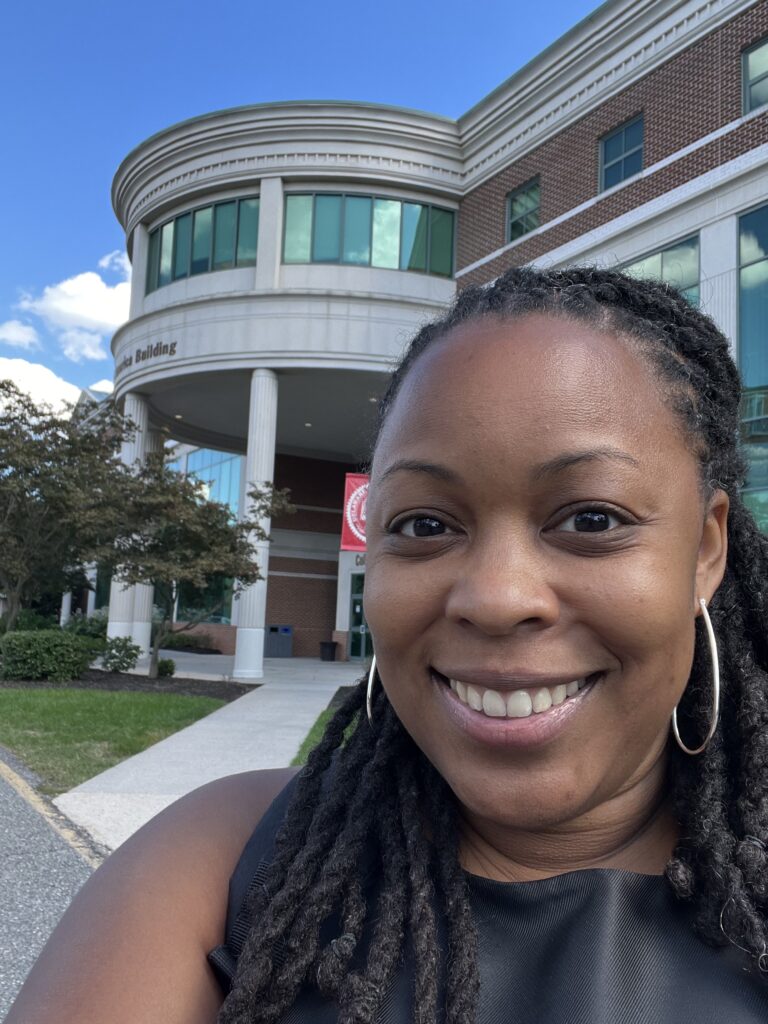
I recently had the honor of speaking at the Impact Conference on Diversity in Higher Education, hosted by the Global Institute for Equity, Inclusion and Civil Rights. During my session, Diversity Branding and Marketing, we examined real campaigns, including those that connected with audiences and those that backfired.
At the center of the conversation was a practical question: How do we create marketing that reflects real people without reducing them to a stereotype, overlooking an important part of their identity, or getting the message entirely wrong?
Here is the heart of what I shared.
Diversity Is a Spectrum, Not a Single Box to Check
When many marketers hear the word “diversity,” they immediately think about race. Race matters, but it is one thread within a much larger fabric.
Cultural background, religion, age, sex and gender, sexual orientation, disability, body type, socioeconomic status, geography, education, and lived experience can all shape how people see themselves and how they experience a brand.
A campaign may appear diverse in one respect while still excluding or misrepresenting entire groups of people. Meaningful representation requires us to look beyond what is most visible and consider the full range of experiences within the audiences we hope to reach.
Six Principles That Keep Diversity Marketing Honest
Across the campaigns we examined, the same lessons continued to surface.
1. Recognize that diversity exists across a spectrum
Look beyond the most obvious dimensions of identity. Your audience is not one-dimensional, and your marketing should not treat them that way.
2. Do not alienate your core constituents
Reaching new audiences should not require abandoning or disrespecting the people who already know and trust your brand. Growth should expand the conversation, not carelessly push someone else out of it.
3. Pay attention to nuance
The difference between a campaign that resonates and one that offends can live in a seemingly small detail. Language, imagery, context, timing, and cultural history all matter.
4. Remember that messages can carry different meanings
A phrase, image, or joke that feels harmless to one person may carry a very different meaning for someone else. Intent matters, but it does not erase impact.
5. Use emotional intelligence
Ask more than, “What are we trying to say?” Also ask, “How might this feel to the people receiving it?”
That requires curiosity, humility, and a willingness to listen before launching the work.
6. Avoid stereotypes and offensive shortcuts
The idea that feels clever in the room may be the exact thing that gets screenshotted, criticized, and remembered for all the wrong reasons.
More importantly, stereotypes flatten real people into familiar caricatures. Good marketing should help audiences feel understood, not reduced.
None of these principles are especially complicated. What trips brands up is often the rush to move from concept to execution without slowing down long enough to ask who might experience the work differently than intended.
Why Getting It Right Matters
When someone asks why an organization should invest the time and care required to do this well, I point to three imperatives.
The Business Imperative
People are more likely to trust brands that understand them.
Representation that feels authentic can strengthen connection, loyalty, and long-term growth. Representation that feels forced, careless, or performative can have the opposite effect.
Inclusive marketing is not separate from effective marketing. It is part of understanding your audience well enough to communicate with them meaningfully.
The Access Imperative
Inclusion is also about whether people can fully access and experience what you create.
Does your website include meaningful alternative text for images? Can someone navigate it without using a mouse? Do your videos include accurate captions? Is there enough contrast between your text and background colors? Is your content structured clearly for people who use assistive technology?
These decisions help create more equitable access while also supporting accessibility and compliance responsibilities.
The Human Imperative
This is the one that matters most.
As emotionally intelligent people, we each have a responsibility to help create spaces where as many people as possible feel safe, respected, and able to participate.
Marketing is one of those spaces.
The images we select, the stories we elevate, the language we normalize, and the people we choose to include all communicate something about who matters and who belongs.
When we get it right, we do more than promote a product or sell a service. We help people recognize themselves in the world around them.
That is the real purpose of diversity marketing. Not checking a box, chasing a trend, or placing different faces into an otherwise unchanged campaign.
It is doing the work to understand real people and creating marketing that allows more of them to feel seen, respected, and included.